

Foreign, Technically- Kyoto & Osaka
Where I Went, What I Ate, What I Bought

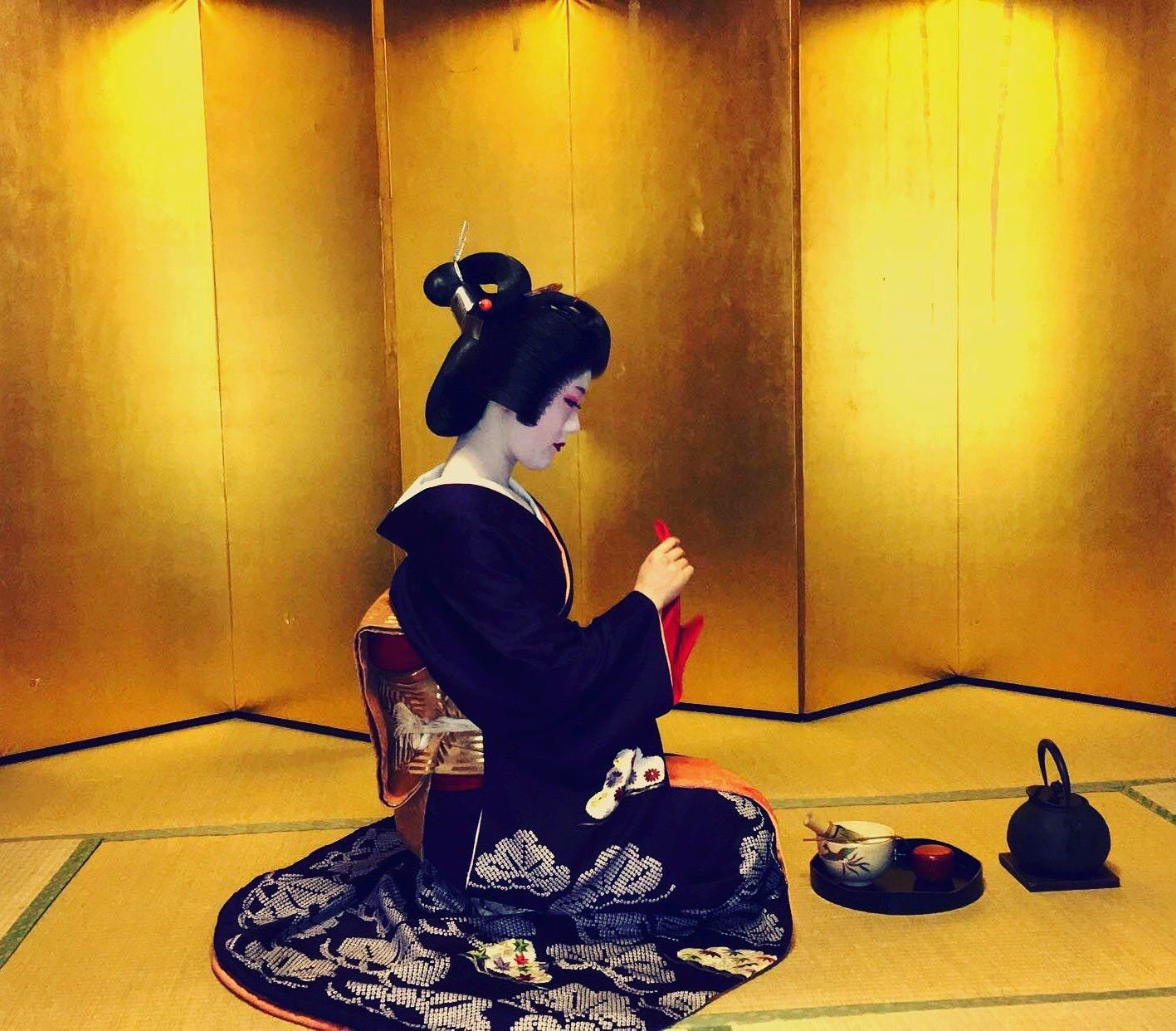
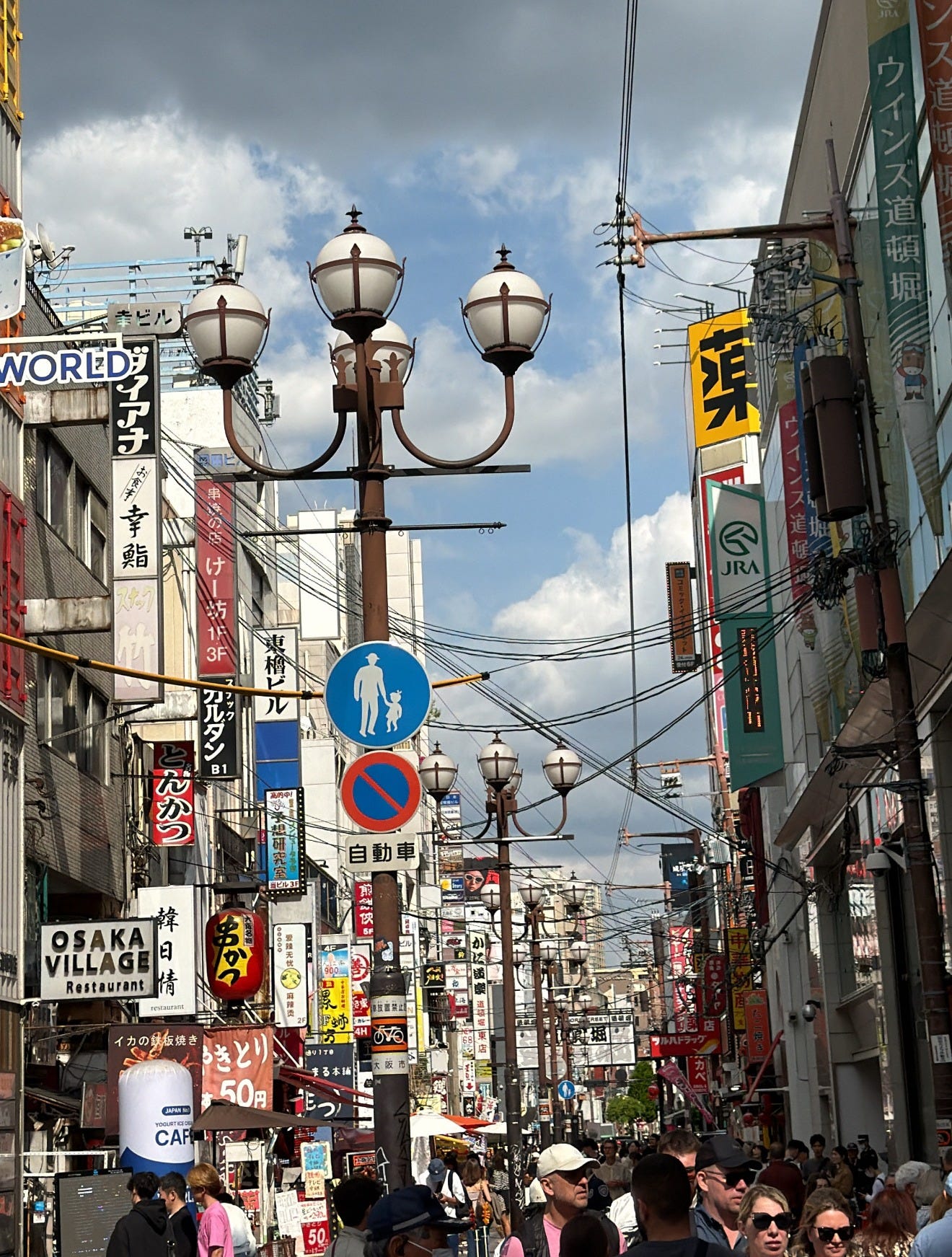
Touching down in Kyoto after a few days in Tokyo feels like the ultimate pendulum swing: the skyscrapers disappear and tradition takes over. Osaka, by contrast, brings out the New Yorker in me.
Where I Stayed
The Celestine Gion, Kyoto — chosen for location above all else. Proper Gion, which meant everything was walkable and the neighborhood did the work. The motif is traditional Japanese throughout, and the hotel has an onsen. The bed was enormous.
W Osaka — my favorite hotel of the trip. The vibe is bustling and trendy in a way that feels curated rather than chaotic. If you were in a J-Pop band, you’d stay here.
The room had an incredible view and the beds were the most comfortable of the entire trip. A Refa blowdryer waiting on the on the bathroom counter was a detail I appreciated.
What I Ate
Dinner at Agri: fresh produce, dishes tailored to the table, wagyu steak with vegetable sides cooked to perfection. The closest thing to a private chef short of actually having one.
Nightcaps at Bar Finlandia in the heart of Gion — Bees Knees was the plan, but the line and excessive English redirected me to this reliable favorite.
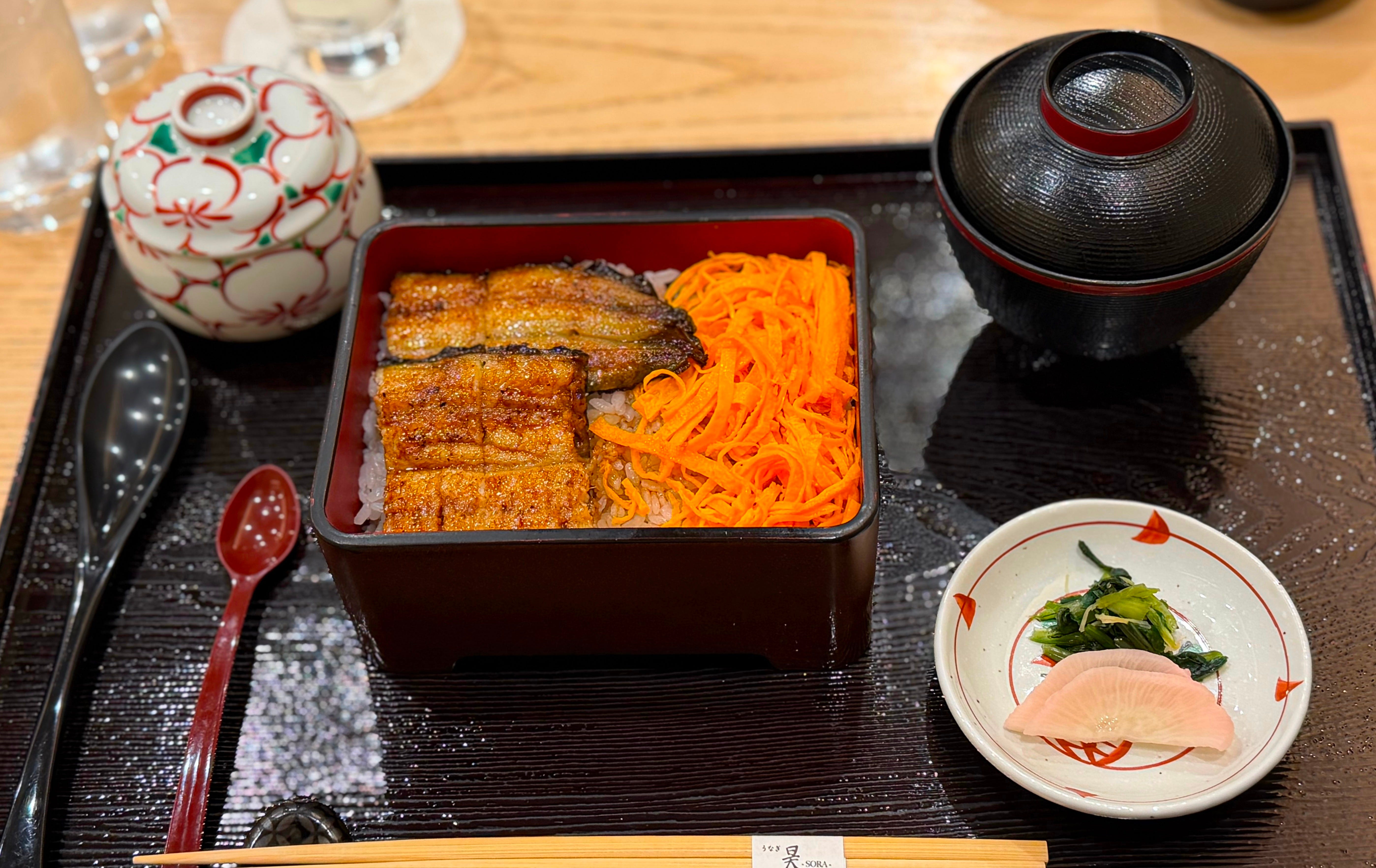
Lunch at Unagi Sora close to Nishiki Market— simple eel boxes, rice on the bottom, eel on top. The chef raises his own eels. No notes.
Mexican omakase with wine pairing at Milpa in Osaka- the first Michelin starred Mexican restaurant in Japan. Worth it.


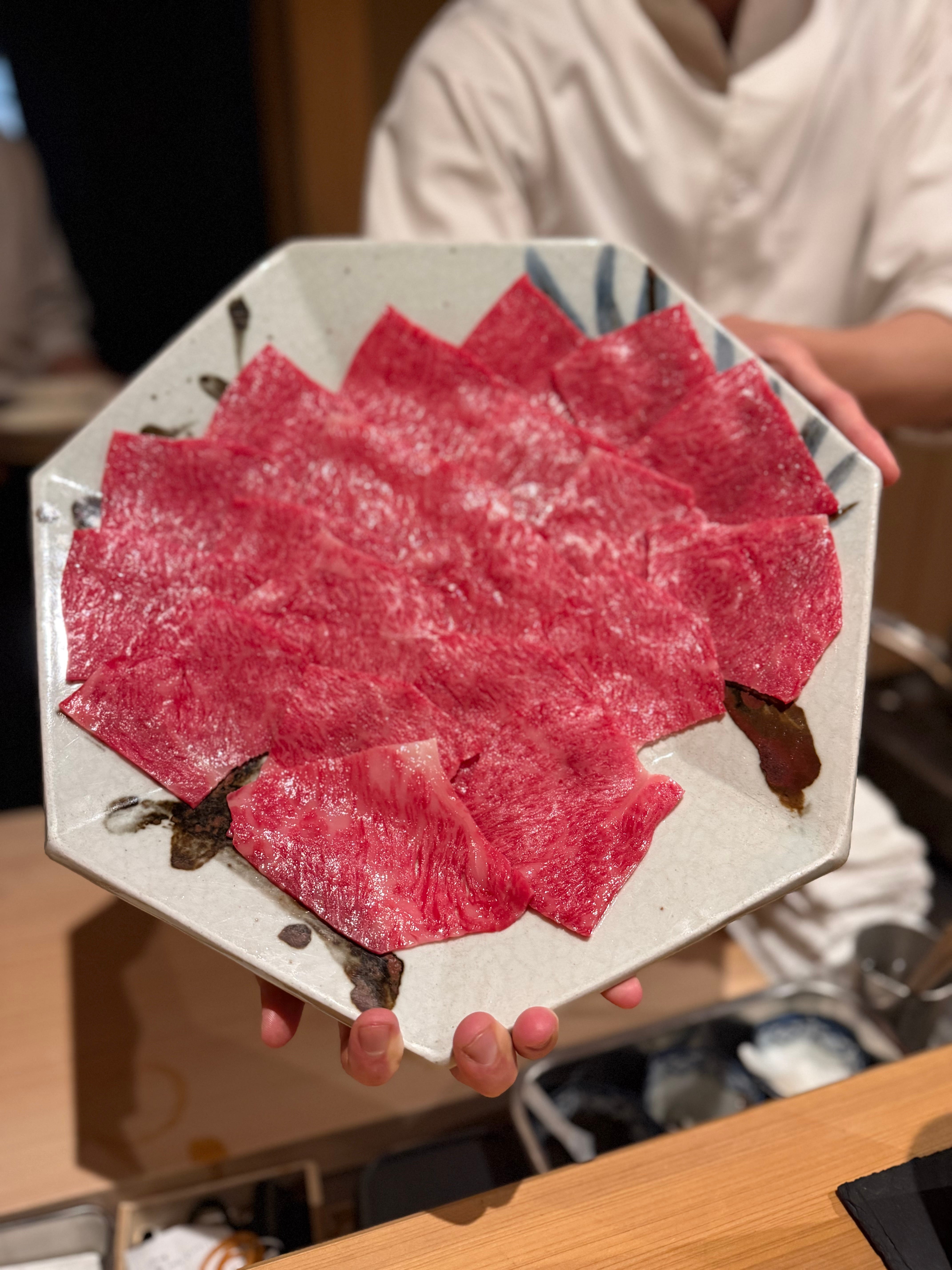
My favorite meal of the entire trip was the one I was most afraid of. At Niko No Takumi in Kyoto, the first course of our wagyu kaiseki arrived and I panicked: raw wagyu beef tongue. It was, and everything that followed, extraordinary from start to finish. 10/10.
What I Did
Miyako Odori — the annual spring dance performance featuring all of Kyoto’s active maiko and geisha, which has been around since 1872. No photographs allowed.
It was one of the most beautiful performances I have ever seen. The sets looked ancient and handmade, detailed in a way that stopped the eye at every corner. The geisha moved in complete unison — repeated deep knee bends, sustained and flawless, through the entirety of the performance. The difficulty of what they were doing was invisible, which is the point.
We added the tea ceremony to our package. Each audience member received a cup poured by a geisha with a level of elegance that confirmed, again, how complete an art form this is. Not my first encounter — but this one landed differently.
If you find yourself in Kyoto in the spring, go.
A Zazen meditation with a monk at a private temple, rain falling over an open-aired zen garden. Last year in Seoul the meditation format was gentle — breathing exercises building to three minutes. This was not that. Two ten-minute sessions, straight out of the gate. The rain helped.
Walking tour of temple highlights including Hōkan-ji with our guide Eiji — recognizable immediately by his LA Dodgers cap.
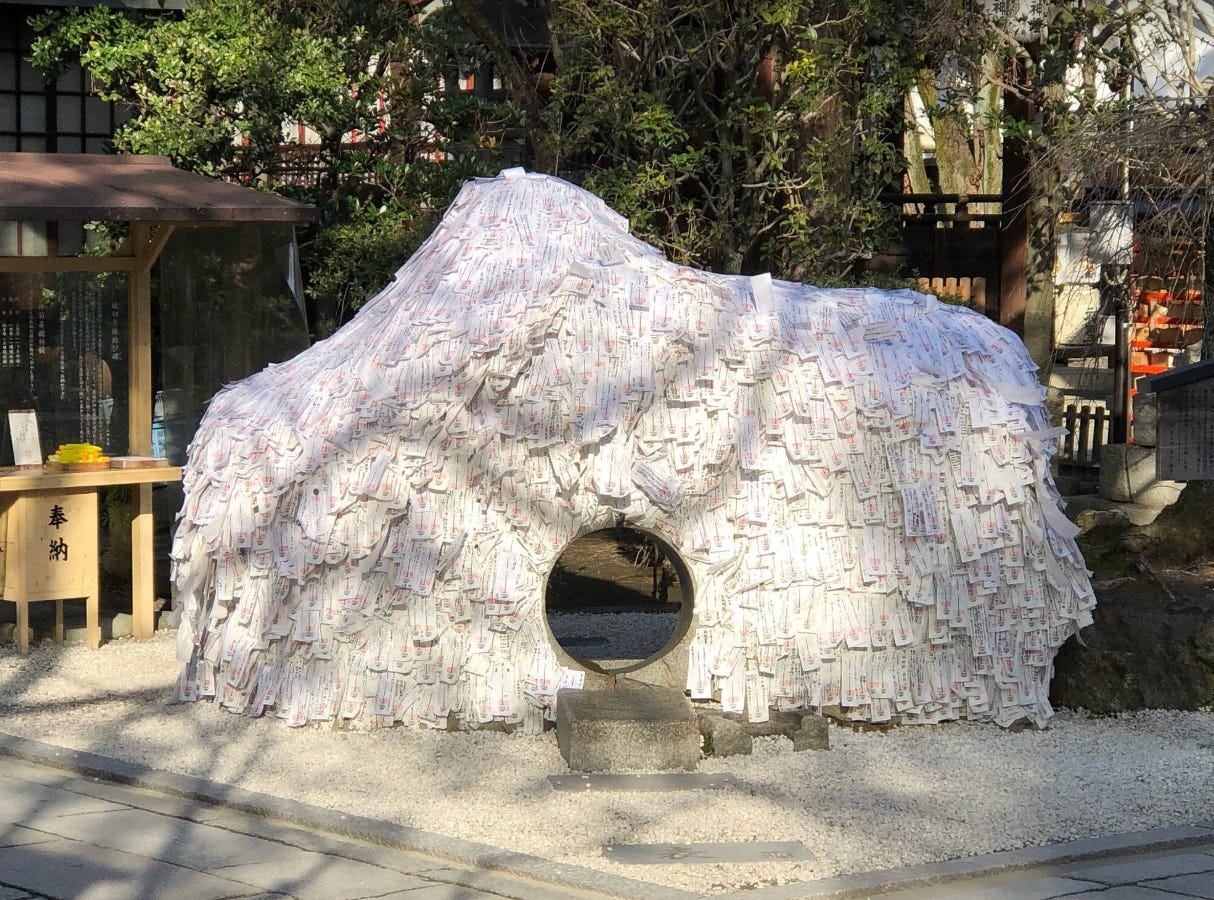
We passed through Yasui Konpiragu shrine in the Gion District, known for severing bad relationships, illness, and bad habits. A large stone covered in paper charms sits at the center — visitors crawl through a hole in the middle to cut ties with whatever they’re leaving behind. I didn’t go through, but I did pull a fortune paper. It said I will have “some luck.” TBD.
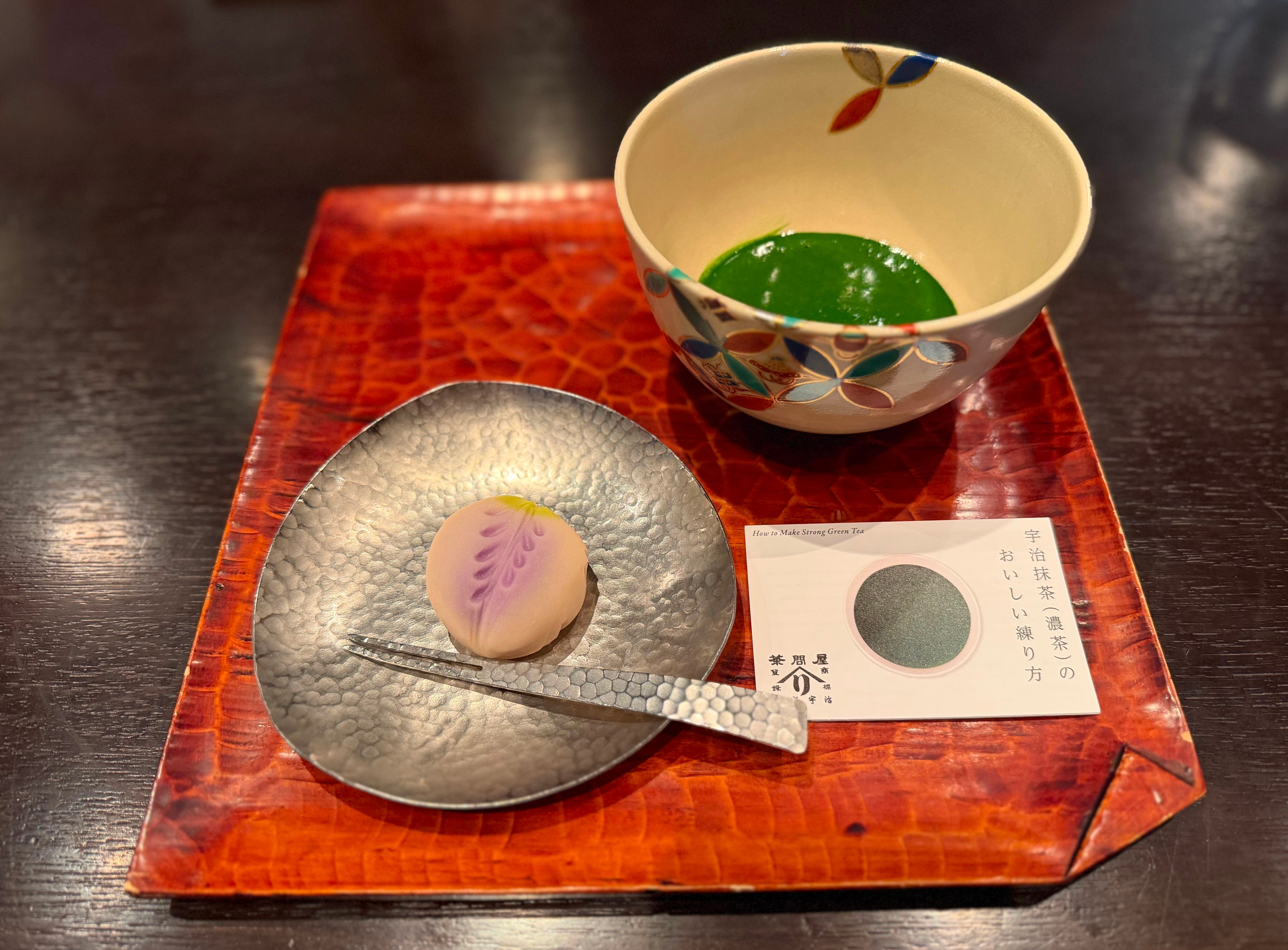
A pit stop in Uji on the way to Osaka — known as the birthplace of Japanese matcha. I drank an official matcha: thick, intensely umami, nothing like what gets exported. A tin of ceremonial grade came home with me.
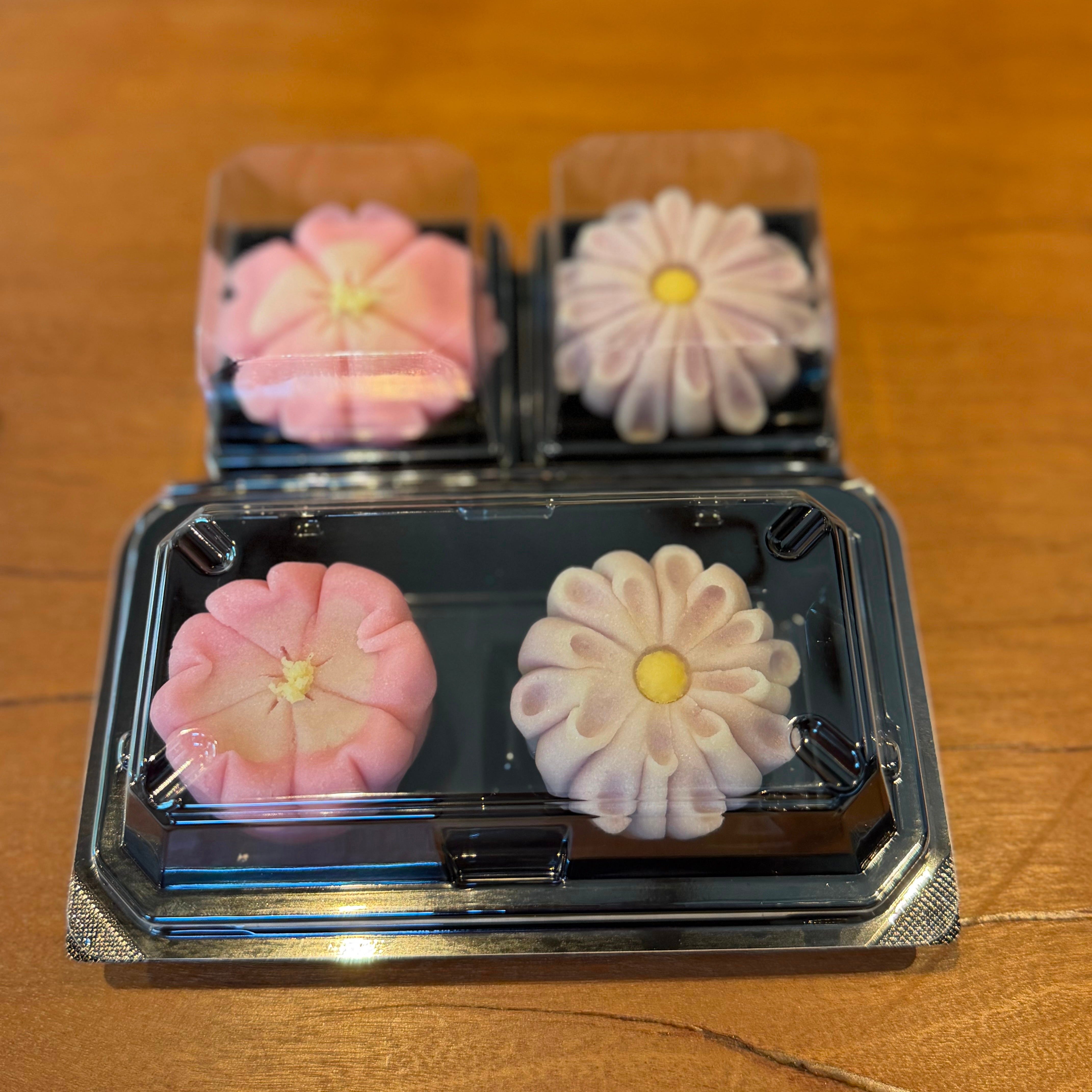
Osaka- A wagashi making class with a master in a private villa. Our motifs were cherry blossom and chrysanthemum — deceptively simple in appearance, genuinely difficult to execute. The four of us struggled and succeeded in varying degrees.
What nobody tells you: wagashi requires precision that borders on meditative. Every pinch and fold matters. We toiled, and then we sat in the villa’s garden with green tea and ate what we’d made. Unanimous vote — favorite activity of the trip.
We will never look at wagashi the same way again.
Osaka Aquarium Kaiyukan— one of the world’s largest, home to two whale sharks. We had backstage passes to see the inner workings, which added a layer most visitors don’t get.
TeamLabs Botanical Garden Osaka — even at night in the rain, flora and fauna were impressive. A daytime visit is on the list.


What I Bought
Artisan overload — Kyoto’s real currency.
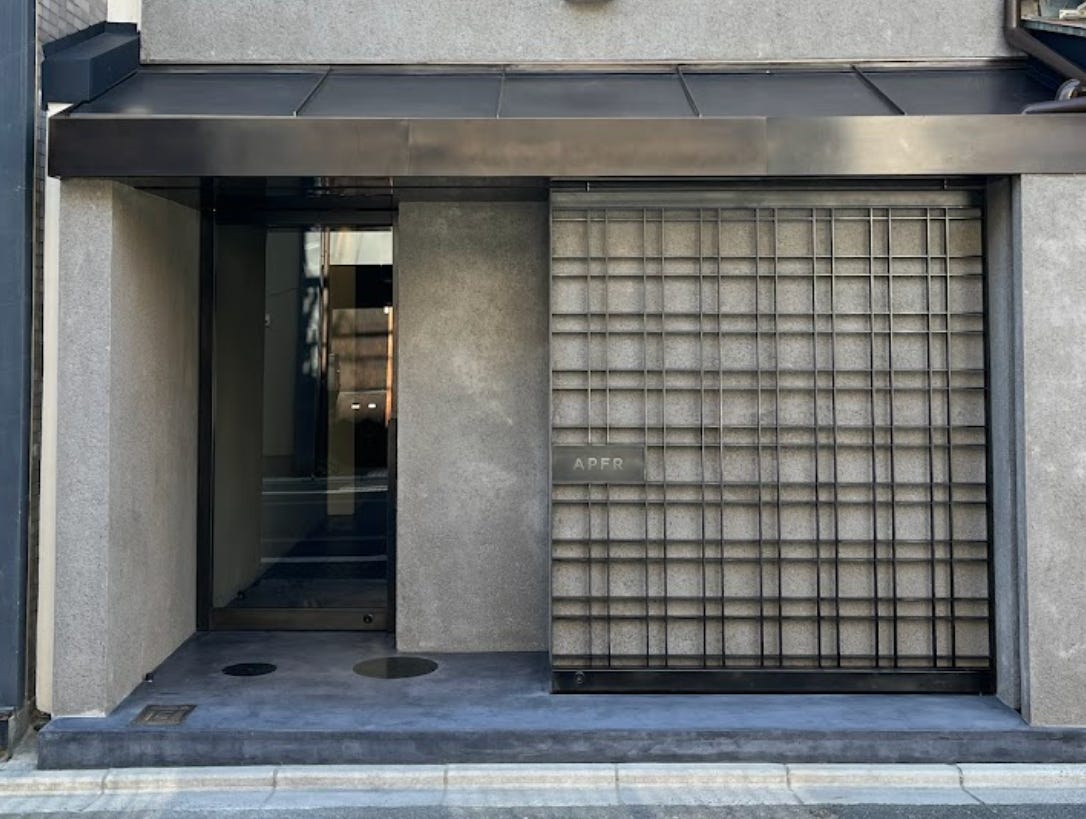
Incense from two stops: Shoyeido, one of the oldest shops in Kyoto, and APFR — quite possibly the coolest home fragrance shop I’ve encountered. Minimalist Japanese design by Phyle, Inc. Think The Row, but for aroma.
Customized chopsticks. High grade green tea and matcha. After Miyako Odori, a linen fan with embroidered cherry blossoms — the only souvenir that felt mandatory.
What My Dogs Did
Still in the French countryside. Still unbothered.
Notes from Tokyo (Part Two), to follow.